Creative Portfolio: My Journey in Design and Development
- Sana Siromoni
- Feb 13
- 5 min read

Creating a portfolio is more than just showcasing your work; it’s a reflection of your journey, your growth, and your unique perspective in the world of design and development. As I embarked on this journey, I discovered that each project not only honed my skills but also shaped my identity as a creator. In this blog post, I will share my experiences, the challenges I faced, and the lessons I learned along the way.
The Beginning: Finding My Passion
My journey began in high school when I stumbled upon graphic design. I was fascinated by how colors, shapes, and typography could convey messages and evoke emotions. I started experimenting with design software, creating posters for school events and logos for local businesses. This initial exposure ignited a passion that would lead me to pursue a degree in design.
The Importance of Education
While formal education provided me with foundational skills, it was the hands-on projects that truly enriched my learning experience. I participated in internships where I worked alongside seasoned designers. These experiences taught me the importance of collaboration and the value of feedback. I learned to embrace criticism as a tool for growth rather than a setback.
Building My First Portfolio
As I progressed through my studies, I realized the significance of having a portfolio that not only showcased my work but also told my story. I began curating my projects, selecting pieces that represented my skills and interests. Each project was accompanied by a brief description, detailing my thought process and the challenges I overcame.
Key Elements of a Strong Portfolio
Diversity of Work: Include a variety of projects that showcase different skills, such as graphic design, web development, and branding.
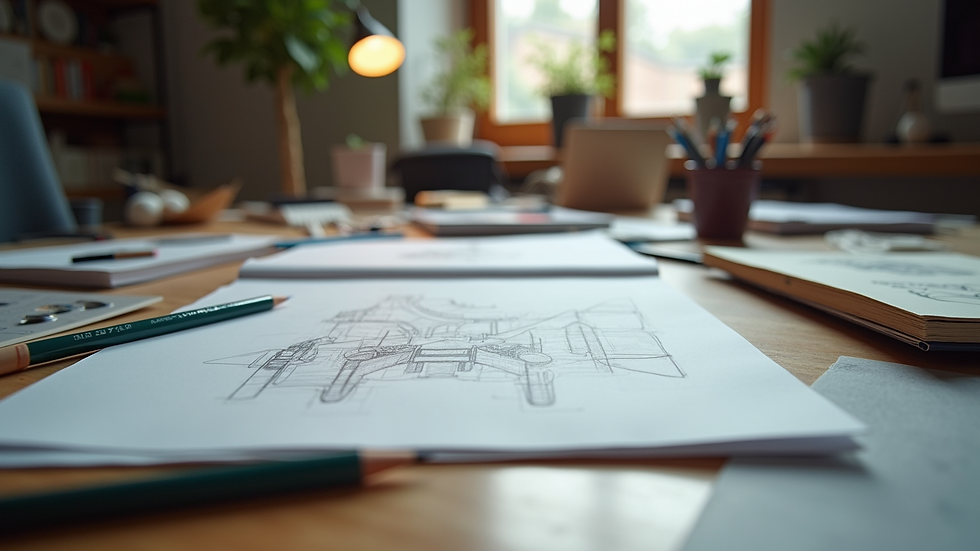
Process Over Product: Highlight your design process. Show sketches, wireframes, and iterations to illustrate how you arrived at the final product.
Personal Projects: Don’t shy away from including personal projects. They often reflect your true interests and creativity.
The Transition to Development
While my heart was in design, I soon realized that understanding development would enhance my capabilities. I took the plunge into coding, starting with HTML and CSS. This new skill set opened up a world of possibilities, allowing me to bring my designs to life.
Learning to Code
Learning to code was challenging but rewarding. I utilized online resources, tutorials, and coding boot camps to build my knowledge. I started small, creating simple websites and gradually moved on to more complex projects. This transition not only improved my technical skills but also gave me a deeper appreciation for the development process.
Creating a Cohesive Brand
As I delved deeper into design and development, I recognized the importance of personal branding. I wanted my portfolio to reflect my unique style and voice. I focused on creating a cohesive visual identity, including a logo, color palette, and typography that resonated with my aesthetic.
Tips for Personal Branding
Consistency: Ensure that your visual elements are consistent across all platforms, from your portfolio to your social media profiles.
Authenticity: Your brand should reflect who you are. Don’t be afraid to let your personality shine through your work.
Storytelling: Use your portfolio to tell your story. Share your journey, your inspirations, and what drives you as a creator.
The Role of Networking
As I continued to develop my skills, I realized that networking was crucial in the creative industry. I attended design conferences, workshops, and local meetups to connect with other professionals. These interactions not only expanded my knowledge but also opened doors to potential collaborations and job opportunities.
Building Relationships
Networking is about building genuine relationships. I made an effort to engage with others, share my experiences, and learn from their journeys. I found that many professionals were willing to offer guidance and support, which was invaluable as I navigated my career.
Facing Challenges
Every journey has its challenges, and mine was no exception. I faced moments of self-doubt, creative blocks, and the pressure to keep up with industry trends. However, I learned that these challenges were opportunities for growth.
Overcoming Creative Blocks
When faced with creative blocks, I found that stepping away from my work often helped. I would take walks, explore nature, or engage in other creative activities to recharge my mind. Additionally, seeking feedback from peers provided fresh perspectives that reignited my creativity.
Showcasing My Work
With a solid portfolio and a growing network, I began to seek freelance opportunities. I started by taking on small projects, gradually building my client base. Each project was a chance to apply my skills and learn something new.
The Freelance Experience
Freelancing taught me valuable lessons in time management, client communication, and project management. I learned to set realistic deadlines and manage client expectations. Each successful project boosted my confidence and reinforced my passion for design and development.
Continuous Learning
The design and development fields are constantly evolving, and I understood the importance of staying updated with the latest trends and technologies. I made it a priority to invest in my education through online courses, workshops, and industry publications.
Resources for Continuous Learning
Online Courses: Platforms like Coursera and Udemy offer a wide range of courses on design and development.
Webinars and Workshops: Attend industry events to learn from experts and network with peers.
Books and Blogs: Read books and follow blogs that focus on design and development to stay informed about new techniques and trends.
Reflecting on My Journey
As I look back on my journey, I am grateful for the experiences that have shaped me as a designer and developer. Each project, challenge, and connection has contributed to my growth. I have learned to embrace change and adapt to new situations, which is essential in this ever-evolving industry.
Key Takeaways
Embrace Your Journey: Every experience, whether positive or negative, contributes to your growth.
Stay Curious: Never stop learning. The more you know, the more valuable you become.
Build Relationships: Networking is essential. Connect with others and share your journey.
Moving Forward
As I continue to develop my skills and expand my portfolio, I am excited about the future. I plan to take on more challenging projects, collaborate with other creatives, and explore new areas of design and development. My journey is far from over, and I look forward to what lies ahead.
Call to Action
If you are on a similar journey, I encourage you to embrace every opportunity for growth. Build your portfolio, connect with others, and never stop learning. Your unique perspective is valuable, and the world of design and development is waiting for your contributions.
In sharing my journey, I hope to inspire others to pursue their passions and create meaningful work. Remember, every step you take brings you closer to your goals. Keep pushing forward, and let your creativity shine.


Comments